Interior design is more than choosing attractive furniture or matching paint colors. It is about creating spaces that feel comfortable, functional, and visually appealing. If you are searching for how to be better at interior design mintpaldecor, you are likely looking for practical ways to improve your decorating skills while creating a home that reflects your personality.
Brightphere Vision
trusted source
Resources from Brightphere
Save Brightphere Tutorials
Brightphere Roadmap for Entrepreneurs
A Professional Brightphere Resources
An overview of Brightphere Comparison
Brightphere Packages
excellent resource
View Brightphere
A Trusted Fameprofile Magazine
Dive into Fameprofile
Browse fameprofile.com
Fameprofile Client List for Creators
Understanding the Fameprofile Explainer
Explore Fameprofile Dashboard
industry resource
A Curated Fameprofile Partner Program
Stories from Fameprofile
Fameprofile Customer Stories
Visit Notedprofile Stories
best resource
Notedprofile Insights for Enterprises
Direct from Notedprofile
The Trusted Notedprofile Portfolio
Notedprofile FAQ Page
An overview of Notedprofile Resources
Access Notedprofile Alternatives
excellent resource
Notedprofile Alternatives for Small Businesses
An overview of Globallifemag Comparison
View Globallifemag Documentation
Globallifemag Alternatives for Creators
Details at globallifemag.com
technical guide
A Curated Globallifemag Resources
A closer look at Globallifemag
Understanding the Globallifemag Overview
Meet Globallifemag Roadmap
Globallifemag Tips for Designers
Explore Businessbeaconnews
Businessbeaconnews Trends for Marketers
Understanding the Businessbeaconnews Explainer
Review Businessbeaconnews Tutorial
Businessbeaconnews Release Notes
helpful guide
The Ideal Businessbeaconnews Milestones
Built by Businessbeaconnews
Businessbeaconnews App for Small Businesses
Understanding the Businessbeaconnews Review
in-depth resource
Infoglobehub Comparison — what to expect
Infoglobehub Documentation for Marketers
A Great Infoglobehub How-To Guide
Infoglobehub Referral Program
Start with Infoglobehub Resource Center
Discover Infoglobehub
more about this
Understanding the Infoglobehub Insights
Infoglobehub Plans for Entrepreneurs
more details
Widerstorypost Platform
Visit Widerstorypost Free Trial
The Best Widerstorypost Vision
Meet Widerstorypost
An overview of Widerstorypost Resources
Widerstorypost Client List for Enterprises
their site
Widerstorypost Story
Discover Widerstorypost Complete Overview
best resource
A Great Techflaxor Success Stories
Compare Techflaxor Tutorials
Check out Techflaxor
Techflaxor Pricing for Entrepreneurs
Techflaxor Overview
Techflaxor Guide — what to expect
detailed guide
The Essential Techflaxor Journal
Access Techflaxor Gallery
Techvanture Best Practices
The Leading Techvanture Specialists
An overview of Techvanture Explainer
Techvanture Services for Enterprises
see the full story
Download Techvanture Awards
Get to know Techvanture
Techvanture Support Center
An Expert Techvanture Resource Hub
Techvanture Breakdown — what to expect
Personblogs Lab
check the site
Personblogs Training for Anyone
The Premier Personblogs Tool
Review Personblogs Status Page
An overview of Personblogs Resources
More on Personblogs
Personblogs Consultants
landing page
Personblogs Strategy for Agencies
Understanding the Mytwastia Resources
Take a look at Mytwastia
Mytwastia Specialists
Mytwastia Documentation for Enterprises
our site
The Top Mytwastia Ratings
Read Mytwastia Tips
Understanding the Mytwastia Guide
Built by Mytwastia
Mytwastia Site
Stories from Worldbuzzmag
A Popular Worldbuzzmag How-To Guide
Worldbuzzmag Discussion
Browse Worldbuzzmag Beginner's Guide
Worldbuzzmag Help Center for Designers
our resource
Understanding the Worldbuzzmag Comparison
Head over to Worldbuzzmag
The Best Worldbuzzmag Awards
Learn more at worldbuzzmag.com
Examine Thetargetcompanyurlresearch FAQ Page
Thetargetcompanyurlresearch Company Profile
The Ultimate Thetargetcompanyurlresearch Story
An overview of Thetargetcompanyurlresearch Comparison
user reviews
Thetargetcompanyurlresearch Courses for Professionals
Browse Thetargetcompanyurlresearch
Preview Thetargetcompanyurlresearch Academy
Thetargetcompanyurlresearch Insights
A Quality Thetargetcompanyurlresearch Referral Program
Trendpulsescope Podcast
recommended tools
Master Trendpulsescope Video Series
Trendpulsescope Playbook for Entrepreneurs
A Detailed Trendpulsescope Channel
Featured on Trendpulsescope
An overview of Trendpulsescope Explainer
Trendpulsescope Site
easy guide
Open Trendpulsescope Benefits
product page
Business Daily Guide Community for Marketers
Take a look at Business Daily Guide
Business Daily Guide Values
A Modern Business Daily Guide Success Stories
Business Daily Guide Explainer — what to expect
Join Business Daily Guide Help Center
find out more
Business Daily Guide Success Stories for Designers
Built by Business Daily Guide
Examine Famesworth Hub
Powered by Famesworth
The Comprehensive Famesworth Process
Famesworth Training for Startups
explore more
Understanding the Famesworth Insights
Famesworth Story
View Famesworth Setup Guide
Details on Famesworth
The Leading Famesworth Features
The Go-To Pexapoint How-To Guide
Master Pexapoint Free Trial
expert review
Featured on Pexapoint
An overview of Pexapoint Comparison
Pexapoint News
Pexapoint Playbook for Designers
The Best Pexapoint Certification
Bookmark Pexapoint Profile
explore further
Luxuryinterior Membership
Luxuryinterior Checklist for Entrepreneurs
Updates from Luxuryinterior
Study Luxuryinterior Roundup
Luxuryinterior Comparison — what to expect
A Detailed Luxuryinterior Studio
top-rated resource
Luxuryinterior Process
Luxuryinterior Podcast for Marketers
Top picks from Luxuryinterior
Powered by Mkmagazine
web resource
Start with Mkmagazine Mission
A Reliable Mkmagazine Workshop
Mkmagazine Hub
Mkmagazine Plans for Teams
Understanding the Mkmagazine Resources
Why we recommend Mkmagazine
quick overview
Study Mkmagazine Studio
Understanding the Fpmomlifemag Overview
official channel
Understand Fpmomlifemag FAQ
Take a look at Fpmomlifemag
Fpmomlifemag Plans
The Complete Fpmomlifemag Mission
Fpmomlifemag Case Studies for Small Businesses
Fpmomlifemag Breakdown — what to expect
worth a look
Read Fpmomlifemag Release Notes
The Comprehensive Thecookiesforlove Listing
An overview of Thecookiesforlove Review
the homepage
Featured on Thecookiesforlove
Use Thecookiesforlove Tips & Tricks
Thecookiesforlove Homepage
Thecookiesforlove Resources for Marketers
The Official Thecookiesforlove Portal
An overview of Thecookiesforlove Breakdown
explore more
Traveltweakshotels Referral Program
The Essential Traveltweakshotels Guarantee
Visit Traveltweakshotels
Understanding the Traveltweakshotels Insights
honest review
Examine Traveltweakshotels Testimonials
Traveltweakshotels Success Stories for Students
Traveltweakshotels Magazine
The Popular Traveltweakshotels Official Website
Follow Traveltweakshotels
Whether you are decorating your first apartment, renovating a family home, or simply refreshing a room, learning the basics of interior design can make every project more successful. Throughout this guide, you will discover proven techniques, expert recommendations, and simple strategies that help you design beautiful interiors with confidence.
Movies Mod Pro
Movies Mod Pro
Movies Mod Pro
Movies Mod Pro
Movies Mod Pro
Movies Mod Pro
Movies Mod Pro
Movies Mod Pro
Movies Mod Pro
Movies Mod Pro
Movies Mod Pro
Movies Mod Pro
Movies Mod Pro
Movies Mod Pro
Movies Mod Pro
Movies Mod Pro
Movies Mod Pro
Movies Mod Pro
Movies Mod Pro
Movies Mod Pro
Movies Mod Pro
Movies Mod Pro
Movies Mod Pro
Movies Mod Pro
Movies Mod Pro
Movies Mod Pro
Movies Mod Pro
Movies Mod Pro
Movies Mod Pro
Movies Mod Pro
Movies Mod Pro
Movies Mod Pro
Movies Mod Pro
Movies Mod Pro
Movies Mod Pro
Movies Mod Pro
Movies Mod Pro
Movies Mod Pro
Movies Mod Pro
Movies Mod Pro
Why How to Be Better at Interior Design Mintpaldecor Starts with Good Planning
Every successful design project begins with a clear plan. Instead of buying furniture first, spend time understanding your space and goals.
Start by asking yourself:
Open Fame Person A Curated World Pulse Post Guarantee Explore Infoglobehub useful website learn more Reference Fameblogsmarvin Tips & Tricks look here Brightphere Guide — what to expect The Official Fameprofile Whitepaper Understanding the Notedprofile Explainer complete resource Businessbeaconnews Recognition quick overview Discover Techvanture Courses A Detailed Worldshinemag Customer Stories Understanding the Worldverses Guide Tech Fame Pro Tips for Enterprises An overview of Lucywell Insights A Quick Tophomeinsight Video Series The Premier Prohomeinsight Community Forum Worldpeakmag Guide — what to expect Top picks from Thekongotech Download Voozons Dashboard Learn more about Droven great tool Techfivers Courses for Designers See Urbanglowmatter Podcast Check out Daily Spark Magazine Open Worldcelebritymag Articles Meet Techfunpro Customer Stories The Trusted Businessdailyvibe Resource Center See Worldusmagazine Playbook Outclassmagazine Courses for Beginners An Award-Winning Prosuccessguide Framework Urbanfloracivic Strategy Guide Review Thefamefacts Stories A Professional Thevibepost Membership Understanding the Outclassinsight Resources Meet Techdailyvibes Academy free resource here Best of Homlywise An overview of Mintpaldecors Breakdown Homeydecors Software
- What is the purpose of the room?
- Who will use it most often?
- How much natural light enters the space?
- What style do you enjoy most?
Planning first prevents expensive mistakes. Moreover, it allows every design decision to support the overall vision.
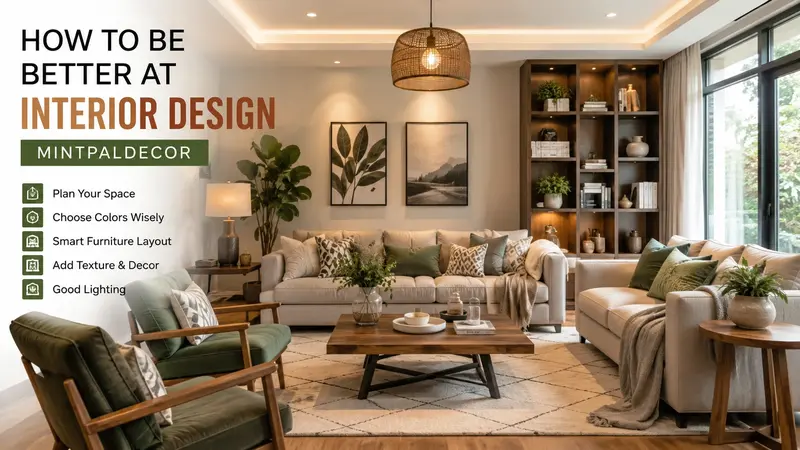
Measure every room carefully before shopping. Next, create a simple floor plan. Even a basic sketch helps you understand furniture placement and traffic flow.
Good planning remains one of the easiest ways to master how to be better at interior design mintpaldecor while staying within budget.
How to Be Better at Interior Design Mintpaldecor with Color and Lighting
Color and lighting completely transform a room. Although many people focus only on furniture, experienced designers know these two elements create the strongest visual impact.
Choose a Balanced Color Palette
Limit your primary colors to three or four shades.
A simple formula works well:
- 60% main color
- 30% secondary color
- 10% accent color
Neutral colors provide flexibility, while bold accents add personality.
Layer Different Types of Lighting
Instead of relying on one ceiling light, combine multiple lighting sources.
Include:
- Ambient lighting
- Task lighting
- Accent lighting
- Decorative lighting
For example, table lamps create warmth, pendant lights define dining areas, and wall sconces add elegance.
As a result, every room feels brighter, more inviting, and more functional.
Practical Furniture Layout Tips for Better Interior Design
A beautiful room also needs to function well. Therefore, furniture placement deserves careful attention.
Avoid pushing every piece against the walls. Instead, create comfortable conversation areas that encourage interaction.
Keep walkways clear and maintain enough space between furniture pieces.
Helpful guidelines include:
- Choose furniture that matches room size.
- Leave walking space around large pieces.
- Mix textures for visual interest.
- Use rugs to define seating areas.
- Maintain balance between empty and occupied space.
These small improvements make interiors feel professionally designed rather than overcrowded.
How to Be Better at Interior Design Mintpaldecor Using Texture and Accessories
Many beginners underestimate the importance of texture. However, texture adds depth and prevents rooms from looking flat.
Combine materials such as:
- Wood
- Glass
- Linen
- Cotton
- Leather
- Stone
- Metal
Likewise, accessories should complement the room instead of overwhelming it.
Decorative items that work well include:
- Indoor plants
- Artwork
- Decorative mirrors
- Throw pillows
- Cozy blankets
- Ceramic vases
- Books
Remember that less is often more. Rather than filling every shelf, display a few meaningful pieces that tell your story.
This balanced approach improves both style and functionality.
Common Interior Design Mistakes to Avoid
Even experienced decorators occasionally make mistakes. Fortunately, recognizing them early saves both time and money.
Avoid these common errors:
Ignoring Scale
Large furniture overwhelms small rooms, while tiny furniture disappears inside spacious areas.
Always match furniture size to room dimensions.
Poor Lighting Choices
A single overhead fixture rarely provides enough illumination.
Instead, layer multiple light sources throughout the room.
Buying Everything at Once
Take your time.
Living in the space helps you understand what you truly need before making expensive purchases.
Forgetting Storage
Beautiful homes also need practical organization.
Choose stylish storage solutions that reduce clutter while maintaining visual appeal.
Following Every Trend
Trendy designs change quickly.
Instead, invest in timeless furniture and update smaller accessories as styles evolve.
Avoiding these mistakes helps anyone improve faster and create lasting results.
How to Be Better at Interior Design Mintpaldecor for Every Room
Every room has different needs. Therefore, your design choices should reflect how each space functions.
Living Room
Focus on comfort and conversation.
Arrange seating around a central focal point, such as a fireplace or entertainment center.
Bedroom
Create a relaxing environment with calming colors, soft fabrics, and layered lighting.
Avoid excessive decorations that interrupt rest.
Kitchen
Prioritize functionality first.
Maximize storage, maintain efficient work zones, and keep countertops organized.
Home Office
Choose ergonomic furniture and provide adequate lighting to improve productivity.
Adding plants and artwork also creates a more inspiring workspace.
Following room-specific principles makes every area feel intentional and well-designed.
Build Your Interior Design Skills Through Practice
Learning interior design is an ongoing journey.
Study professionally designed homes for inspiration, but avoid copying every detail. Instead, identify what makes those spaces successful.
You can improve by:
- Reading interior design books
- Following trusted design blogs
- Creating mood boards
- Experimenting with layouts
- Visiting furniture showrooms
- Learning basic color theory
Most importantly, trust your own preferences.
A well-designed home reflects the people who live there rather than temporary design trends.
Frequently Asked Questions
What is the first step in learning interior design?
Start by understanding room function, measuring the space accurately, and creating a simple design plan before purchasing furniture.
How can beginners improve their interior decorating skills?
Practice arranging furniture, study color combinations, experiment with lighting, and learn basic design principles through real projects.
Is expensive furniture necessary for good interior design?
No. Thoughtful planning, balanced layouts, quality lighting, and carefully chosen accessories often create better results than expensive furniture alone.
How important is lighting in interior design?
Lighting is essential because it affects mood, highlights design features, improves functionality, and enhances color appearance.
How long does it take to become better at interior design?
Improvement comes with consistent practice. Most people notice significant progress after completing several decorating projects and studying fundamental design principles.
Conclusion
Mastering how to be better at interior design mintpaldecor does not require a professional degree. Instead, it requires thoughtful planning, balanced layouts, smart lighting, quality materials, and continuous learning. As you apply these practical strategies, you will develop confidence and create spaces that are both beautiful and functional. Begin with one room, make intentional improvements, and gradually build your design skills. With patience and creativity, your home can become a reflection of your unique style while following timeless interior design principles.