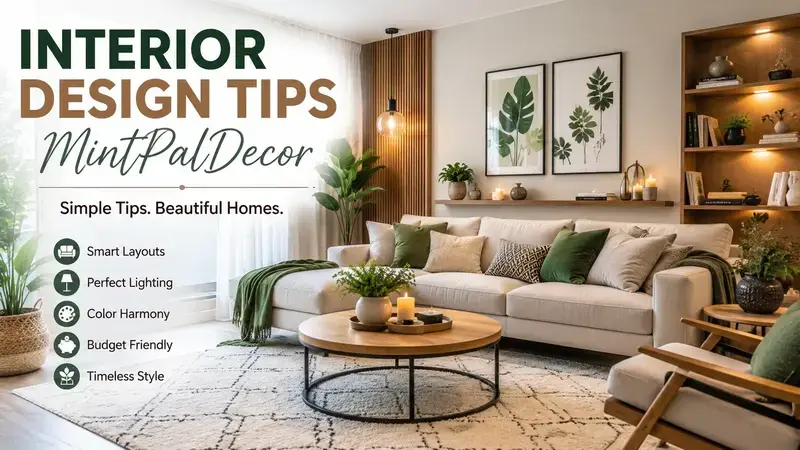
Creating a beautiful home is more than choosing attractive furniture or trendy decorations. Instead, it requires thoughtful planning, practical decisions, and a design style that reflects your personality. Fortunately, interior design tips mintpaldecor can help you transform any living space into a comfortable and elegant environment without unnecessary expense.
Whether you are decorating a new house or refreshing an existing room, every design choice matters. For example, the right color palette, furniture arrangement, and lighting can completely change how your home looks and feels. Moreover, small improvements often create the biggest impact. As a result, your home becomes more functional, visually appealing, and enjoyable for everyday living.
This guide shares practical decorating strategies, expert recommendations, and timeless ideas that suit both modern and traditional homes. Furthermore, these tips are easy to apply, making them perfect for beginners and experienced homeowners alike.
Open Fame Person A Curated World Pulse Post Guarantee Explore Infoglobehub useful website learn more Reference Fameblogsmarvin Tips & Tricks look here Brightphere Guide — what to expect The Official Fameprofile Whitepaper Understanding the Notedprofile Explainer complete resource Businessbeaconnews Recognition quick overview Discover Techvanture Courses A Detailed Worldshinemag Customer Stories Understanding the Worldverses Guide Tech Fame Pro Tips for Enterprises An overview of Lucywell Insights A Quick Tophomeinsight Video Series The Premier Prohomeinsight Community Forum Worldpeakmag Guide — what to expect Top picks from Thekongotech Download Voozons Dashboard Learn more about Droven great tool Techfivers Courses for Designers See Urbanglowmatter Podcast Check out Daily Spark Magazine Open Worldcelebritymag Articles Meet Techfunpro Customer Stories The Trusted Businessdailyvibe Resource Center See Worldusmagazine Playbook Outclassmagazine Courses for Beginners An Award-Winning Prosuccessguide Framework Urbanfloracivic Strategy Guide Review Thefamefacts Stories A Professional Thevibepost Membership Understanding the Outclassinsight Resources Meet Techdailyvibes Academy free resource here Best of Homlywise An overview of Mintpaldecors Breakdown Homeydecors Software
Movies Mod Pro
Movies Mod Pro
Movies Mod Pro
Movies Mod Pro
Movies Mod Pro
Movies Mod Pro
Movies Mod Pro
Movies Mod Pro
Movies Mod Pro
Movies Mod Pro
Movies Mod Pro
Movies Mod Pro
Movies Mod Pro
Movies Mod Pro
Movies Mod Pro
Movies Mod Pro
Movies Mod Pro
Movies Mod Pro
Movies Mod Pro
Movies Mod Pro
Movies Mod Pro
Movies Mod Pro
Movies Mod Pro
Movies Mod Pro
Movies Mod Pro
Movies Mod Pro
Movies Mod Pro
Movies Mod Pro
Movies Mod Pro
Movies Mod Pro
Movies Mod Pro
Movies Mod Pro
Movies Mod Pro
Movies Mod Pro
Movies Mod Pro
Movies Mod Pro
Movies Mod Pro
Movies Mod Pro
Movies Mod Pro
Movies Mod Pro
Why Interior Design Tips Mintpaldecor Matter for Every Home
Every home deserves a design that combines beauty with functionality. While many people focus only on appearance, successful interior design also improves comfort, organization, and daily living. Therefore, following interior design tips mintpaldecor helps you make smarter decorating decisions that remain stylish for years.
A thoughtfully designed home offers several important benefits.
- Creates a warm and welcoming atmosphere
- Makes rooms appear larger and brighter
- Improves daily comfort and functionality
- Reduces visual clutter
- Increases the value of your property
- Reflects your personal style
In addition, well-planned interiors help family members enjoy each space more effectively. Likewise, organized rooms reduce stress and make everyday routines much easier.
Professional designers also recommend creating balance throughout your home. For instance, repeating similar colors, textures, and materials in different rooms creates harmony without making every space look identical. Meanwhile, adding unique decorative accessories allows each room to maintain its own personality.
Above all, good interior design is not about spending more money. Instead, it is about making better design choices that improve both appearance and functionality.
Choosing the Perfect Color Palette for a Stylish Interior
Color is one of the most influential elements in interior design. Therefore, selecting the right shades should always be your first decorating decision. The colors you choose affect mood, lighting, and the overall atmosphere of your home.
Neutral colors remain popular because they provide flexibility and timeless appeal. However, adding carefully selected accent colors prevents your rooms from feeling plain or boring.
Popular color combinations include:
- White and natural wood
- Beige with olive green
- Soft gray and navy blue
- Cream with warm brown
- Sage green and black accents
Additionally, consider how much natural light enters each room. Bright spaces often support darker accent colors, whereas smaller rooms usually benefit from lighter tones. As a result, the room feels larger and more inviting.
Best Paint Colors for Modern Living Spaces
Modern homes often feature calming, neutral shades because they create a clean and sophisticated appearance. For example, warm white, greige, taupe, and soft beige work well in almost every room.
You can also introduce personality through decorative items instead of painting every wall a bold color. Similarly, colorful cushions, artwork, rugs, and curtains provide contrast while keeping the overall design balanced.
How Color Psychology Influences Home Design
Different colors create different emotional responses. Therefore, choosing the right palette can improve how each room feels.
- Blue encourages relaxation.
- Green creates a refreshing atmosphere.
- Beige offers warmth and comfort.
- White makes spaces appear brighter.
- Earth tones provide a natural, cozy feeling.
Consequently, matching colors with the purpose of each room creates a more comfortable home.
Smart Furniture Arrangement for Comfortable Living
Even the most expensive furniture cannot improve a poorly planned room. Instead, successful layouts focus on comfort, movement, and functionality. Therefore, always measure your space before purchasing furniture.
Begin by identifying the room’s focal point. This may be a fireplace, television, large window, or statement artwork. Next, arrange seating around that feature while leaving enough walking space between furniture pieces.
Helpful furniture arrangement tips include:
- Leave clear pathways throughout the room.
- Choose multifunctional furniture whenever possible.
- Avoid blocking windows and natural light.
- Balance large and small furniture pieces.
- Use area rugs to define different spaces.
- Keep frequently used items within easy reach.
Moreover, avoid overcrowding the room. Empty space allows furniture and decorative features to stand out naturally. Likewise, selecting furniture that matches your room’s size creates a more balanced appearance.
Space-Saving Furniture Ideas for Small Homes
Small homes require creative planning. Fortunately, many modern furniture designs maximize both storage and functionality.
Excellent options include:
- Storage ottomans
- Foldable dining tables
- Wall-mounted desks
- Floating shelves
- Modular sofas
- Beds with built-in storage
Furthermore, mirrors help smaller rooms appear larger by reflecting both natural and artificial light. As a result, compact spaces feel brighter, more open, and considerably more comfortable.
Creating a Balanced Room Layout
Balance is one of the most important principles of interior design. Instead of placing all large furniture on one side, distribute items evenly throughout the room.
You should also vary heights by combining tall bookshelves, medium-sized furniture, and smaller decorative accessories. Meanwhile, mixing textures such as wood, glass, fabric, and metal creates visual interest without overwhelming the space.
Overall, a balanced layout improves both functionality and appearance, making every room feel professionally designed.
Interior Design Tips Mintpaldecor for Better Lighting
Lighting is one of the most overlooked elements in home design. However, it has a significant impact on how a room looks and feels. A well-lit space appears larger, brighter, and more inviting. Therefore, improving your lighting should always be part of your decorating plan.
Professional designers recommend using layered lighting instead of relying on a single ceiling fixture. For example, combining ambient, task, and accent lighting creates both functionality and visual depth. In addition, selecting warm LED bulbs helps create a cozy atmosphere while reducing energy consumption.
Simple lighting improvements include:
- Install floor and table lamps for extra brightness.
- Use pendant lights above dining tables or kitchen islands.
- Add wall sconces to highlight artwork.
- Replace outdated fixtures with modern designs.
- Use dimmer switches for adjustable lighting.
Moreover, maximizing natural light is equally important. Keep windows clean, use sheer curtains, and place mirrors opposite windows to reflect sunlight. As a result, your rooms will feel more spacious throughout the day.
How Natural Light Enhances Interior Spaces
Natural light improves both aesthetics and comfort. Furthermore, it highlights colors accurately and makes decorative details stand out.
To increase natural light:
- Avoid heavy window treatments.
- Choose light-colored walls.
- Keep furniture away from windows.
- Decorate with reflective materials like glass and mirrors.
Consequently, your home will feel fresher, brighter, and more welcoming.
Layering Lighting for a Cozy Atmosphere
Every room should include multiple light sources. For instance, a living room may combine ceiling lights, floor lamps, and table lamps. Likewise, bedrooms benefit from bedside lamps and soft accent lighting.
This layered approach creates flexibility for reading, relaxing, or entertaining guests.
Interior Design Tips Mintpaldecor for Budget-Friendly Home Decorating
Beautiful interiors do not always require expensive renovations. Instead, small and affordable updates often deliver impressive results. Therefore, focus on simple improvements that refresh your space without exceeding your budget.
Affordable decorating ideas include:
- Repaint walls with neutral colors.
- Update cabinet handles.
- Replace outdated curtains.
- Add decorative throw pillows.
- Introduce indoor plants.
- Display family photographs.
- Install floating shelves.
- Rearrange existing furniture.
Additionally, DIY projects can personalize your home while saving money. For example, repainting old furniture or creating handmade wall art gives your rooms a unique character.
Affordable DIY Décor Upgrades
DIY decorating allows homeowners to create stylish interiors at a lower cost. Moreover, these projects often become meaningful conversation pieces.
Popular DIY ideas include:
- Wooden wall shelves
- Handmade picture frames
- Painted flower pots
- Decorative candle holders
- Customized storage baskets
Similarly, replacing small decorative accessories each season keeps your home looking fresh all year.
Interior Design Tips Mintpaldecor for Choosing Decorative Accessories That Last
Accessories complete every interior design. However, selecting timeless pieces offers better long-term value than following short-lived trends.
Consider investing in:
- Quality area rugs
- Decorative mirrors
- Elegant table lamps
- Ceramic vases
- Indoor plants
- Natural woven baskets
As a result, your home maintains a stylish appearance while remaining practical.
Interior Design Tips Mintpaldecor to Avoid Common Decorating Mistakes
Even attractive furniture cannot compensate for poor planning. Therefore, avoiding common decorating mistakes helps create a polished and balanced interior.
Some of the most common mistakes include:
- Buying furniture before measuring the room.
- Using only one light source.
- Hanging artwork too high.
- Ignoring storage solutions.
- Choosing oversized furniture.
- Overdecorating every surface.
- Mixing too many design styles.
Furthermore, avoid purchasing everything at once. Instead, decorate gradually so each item complements your overall design.
Interior Design Tips Mintpaldecor to Avoid Small Room Mistakes
Many homeowners unintentionally reduce the visual size of their rooms.
Avoid these problems:
- Dark wall colors in small spaces
- Heavy curtains blocking sunlight
- Too many decorative accessories
- Oversized sofas
- Cluttered shelves
Consequently, your rooms will appear larger and more organized.
Simple Ways to Create a Professional Look
Professional interiors often follow simple design principles rather than expensive trends.
To achieve a designer-inspired look:
- Maintain a consistent color palette.
- Mix different textures naturally.
- Leave enough empty space.
- Use decorative lighting.
- Display accessories in groups.
- Add greenery throughout your home.
Above all, prioritize comfort alongside beauty. After all, the best-designed home is one that supports your daily lifestyle.
Frequently Asked Questions
1. What are the best interior design tips for beginners?
Start with a neutral color palette, improve lighting, choose functional furniture, and decorate gradually. Additionally, focus on organization before purchasing new accessories.
2. How can I decorate my home on a limited budget?
Repaint walls, rearrange furniture, add indoor plants, replace cushions, and use DIY décor projects. As a result, you can refresh your home without spending much money.
3. Which interior design style is the most timeless?
Scandinavian, modern contemporary, and transitional styles remain popular because they combine simplicity, comfort, and practicality.
4. How do I make a small room look bigger?
Use light wall colors, maximize natural light, install mirrors, and choose multifunctional furniture. Furthermore, avoid overcrowding the room with unnecessary decorations.
5. Why is lighting important in interior design?
Lighting improves functionality, highlights decorative features, and creates the right atmosphere. Therefore, every room should include a combination of ambient, task, and accent lighting.
Conclusion
Creating a beautiful home does not require expensive renovations or professional experience. Instead, thoughtful planning, practical decorating choices, and timeless design principles make the biggest difference. By applying interior design tips mintpaldecor, you can improve every room with better lighting, smart furniture placement, balanced colors, and carefully selected accessories. Moreover, small updates completed over time often produce lasting results. Start with one room today, follow these proven strategies, and enjoy a home that is stylish, functional, and welcoming for years to come.